
Interview
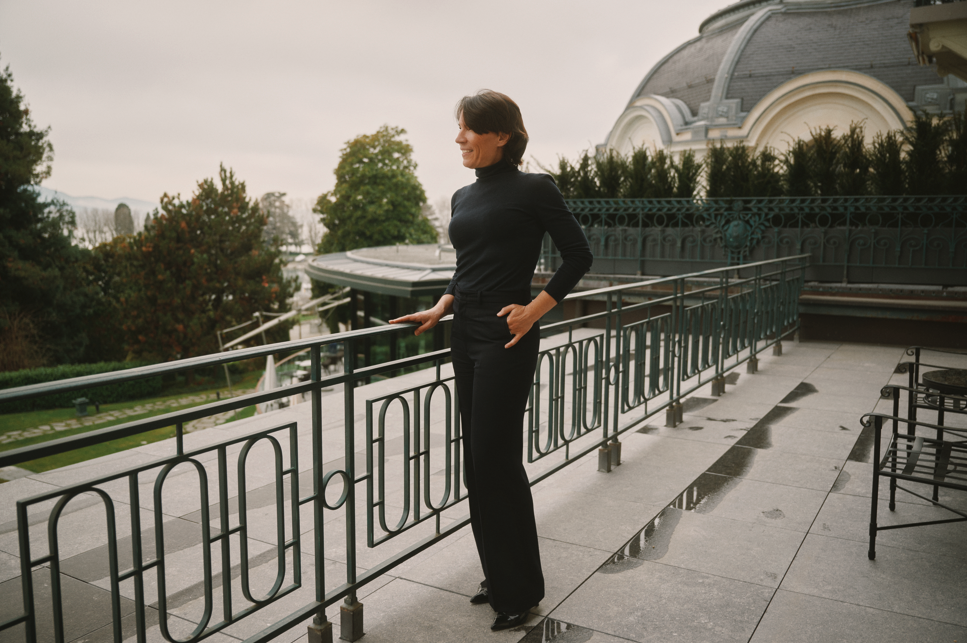
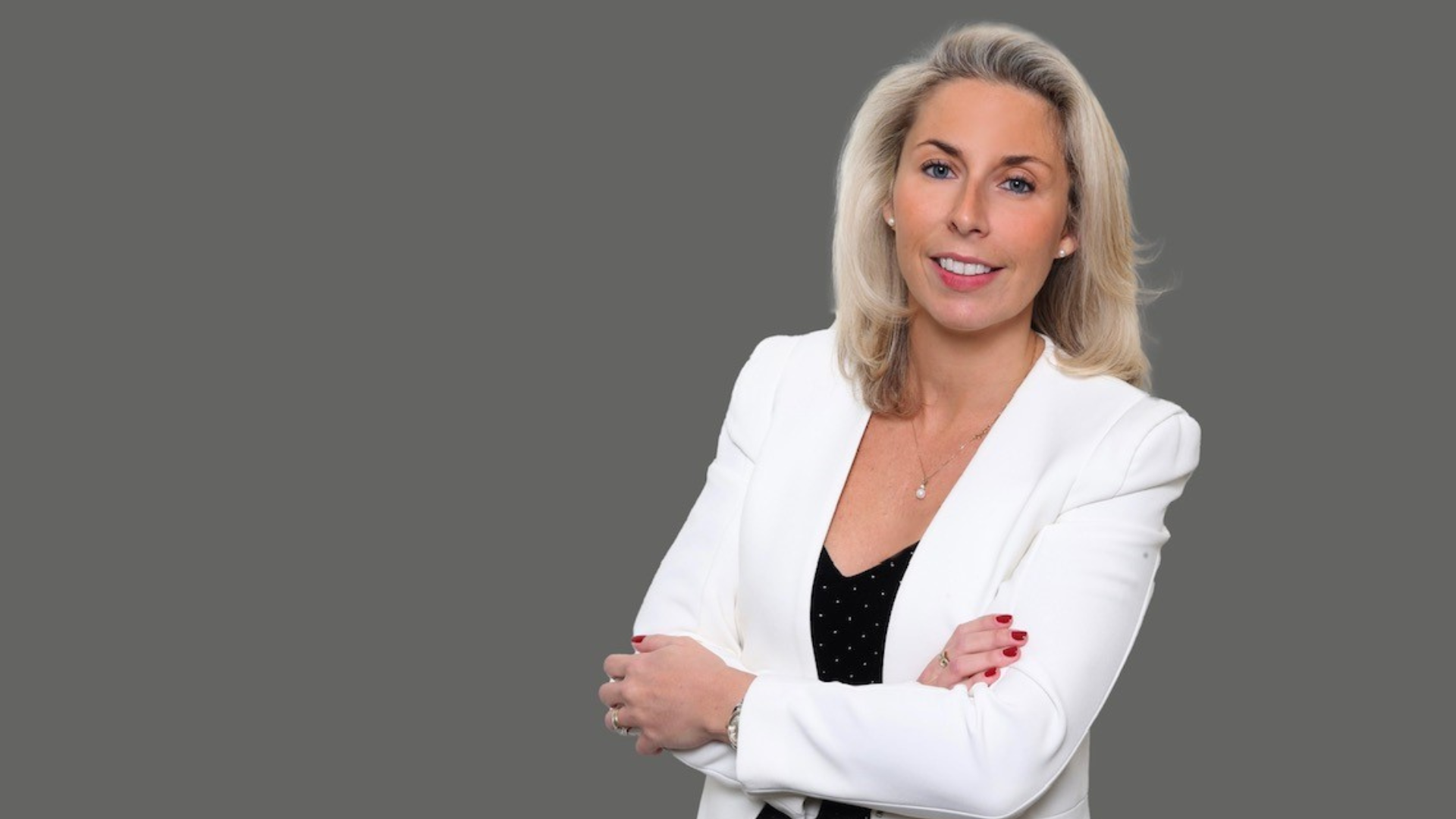
Fatbardha A. Kadriu
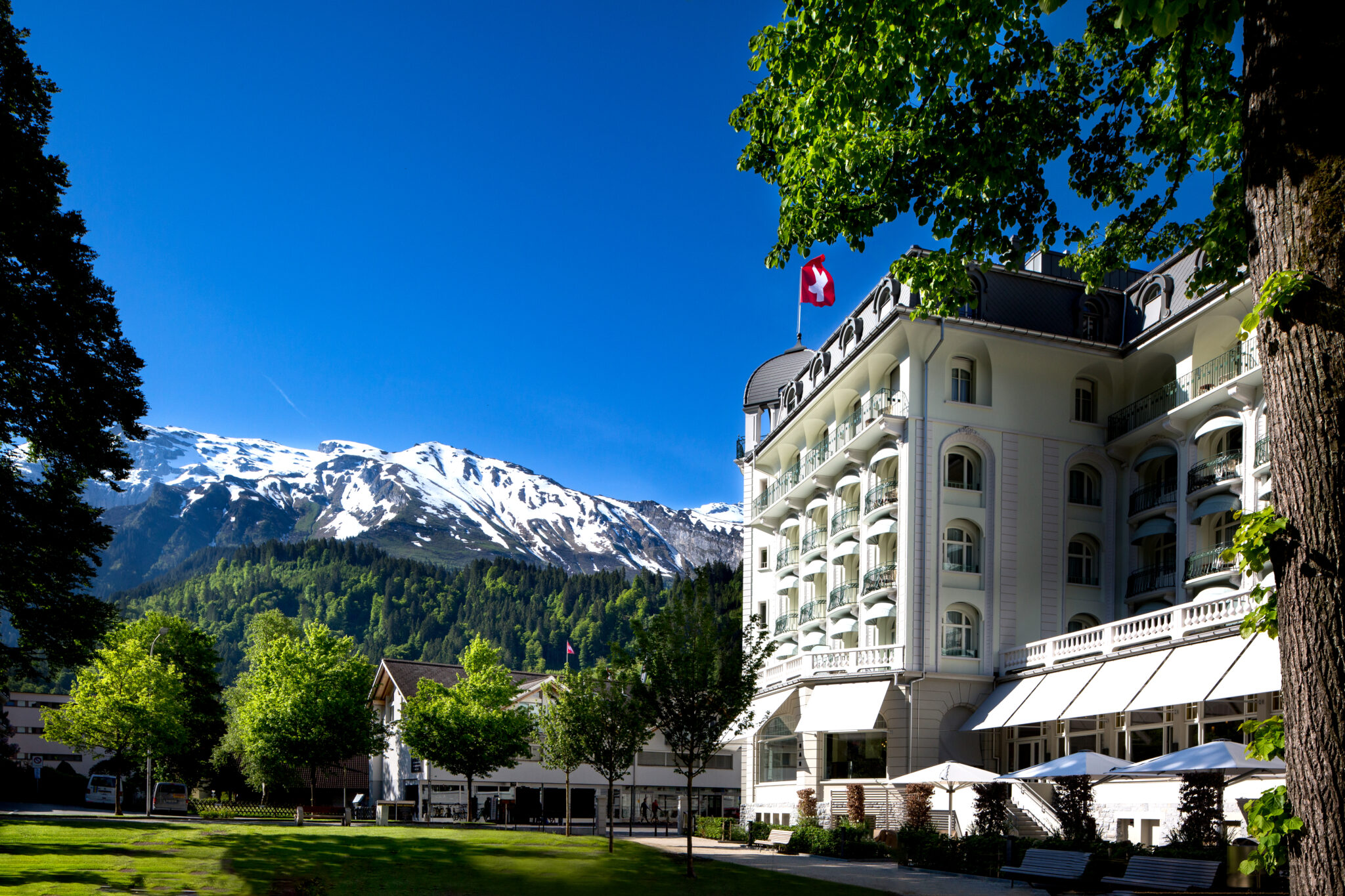
In the demanding world of luxury hospitality, leadership goes far beyond operational excellence it is fundamentally about people. As Cluster Director of Human Resources at Kempinski Palace Engelberg, Fatbardha A. Kadriu embodies a modern, strategic, and deeply human-centered vision of talent leadership.
From her early beginnings in Food & Beverage to her current executive responsibilities within a highly international environment, her journey reflects ambition, resilience, and conviction. In this conversation, she shares the challenges that shaped her leadership style, her perspective on the evolving hospitality landscape, and her advice to the next generation of professionals.
You began your career in Food & Beverage before transitioning into Human Resources. How has your operational background influenced the way you lead today?
As I was studying in Switzerland at that time, it was mandatory for me to do my first internship in Food & Beverage although I knew that HR was the path I wanted to develop into since day one. This comes from when I studied Behavioral Science in Sweden.
“Starting my career in Food & Beverage had a huge impact on how I lead today as an HR Director. Working in operations meant being on the front line every day managing fast-paced environments, dealing directly with employees and guests, and making real time decisions that affected both service and team morale. That experience gave me a deep appreciation for the challenges operational teams face and the importance of practical, people focused solutions. Because of that background, I approach HR with a strong operational mindset. I don’t see HR as just policies and processes, I see it as a strategic partner that supports the business while making sure employees feel valued and supported. Having worked shifts, handled staffing shortages, and managed performance in high-pressure environments, I understand what leaders and employees actually need from HR to succeed. It also shaped my leadership style.
In Food & Beverage, success depends heavily on teamwork, communication, and being present with your people. I carry that into HR by prioritizing visibility, open communication, and building trust with teams across the organization. I believe HR leaders should stay connected to the operational realities of the business rather than working in isolation. Ultimately, my operational background helps me balance empathy with business priorities. I understand both the human side of the workplace and the operational demands of running a successful organization, which allows me to make decisions that support both people and performance.
Your move into HR developed progressively, including experiences with prestigious brands such as Four Seasons Hotels and Resorts and Mandarin Oriental Hotel Group. At what point did you realize that talent development would become the core of your professional journey?
I realized that talent development would become the core of my professional journey during my time with Four Seasons Hotels and Resorts. The company’s strong culture around developing people and promoting from within really opened my eyes to the impact that structured talent development can have on both individuals and the organization.
Being exposed to their exceptional learning programs, mentorship culture, and focus on nurturing potential gave me a completely new perspective on HR. It wasn’t just about managing people, it was about helping them grow and succeed. That experience gave me the motivation to continue building my career in HR and talent development.
Later, working with brands like Mandarin Oriental Hotel Group further reinforced that passion, but it was really my time at Four Seasons that sparked my commitment to developing people and building strong talent pipelines.
You have worked across diverse cultural environments from the Middle East to Europe. How have these international experiences shaped your approach to cross-cultural leadership?
Living and working in international environments such as Dubai, London, and Doha have had a profound impact on how I approach leadership. Each of these markets brings different cultural expectations, communication styles, and perspectives on leadership. These experiences taught me the importance of cultural awareness, adaptability, and listening. I’ve learned that effective leadership in diverse environments is not about applying one style everywhere, but about understanding what motivates people in different cultures and creating an inclusive environment where everyone feels respected and heard. Working across the Middle East and Europe has also reinforced the value of diversity in teams.
When managed well, cultural diversity drives creativity, stronger collaboration, and better decision making. It has shaped my leadership approach to be more inclusive, open-minded, and globally aware.
Within Kempinski, you progressively took on greater responsibilities before becoming Cluster Director of Human Resources. What were the defining turning points in your career progression?
The defining turning points in my career at Kempinski Hotels came as I progressively took on greater responsibilities and continuously sought opportunities to learn and grow. It began when I moved from Training Executive to Assistant HR and Training Manager. In that role, I didn’t just manage training programs, I took on additional responsibilities outside my formal scope, from performance management initiatives to process improvements, always eager to understand the bigger picture of HR operations. It was here that I discovered how much impact I could have by combining operational insight with people development.
The next turning point was stepping into Assistant Director of HR and Training. I pushed myself to take on challenging tasks that stretched my skills and broadened my strategic perspective. This role strengthened my leadership capabilities and prepared me to take on the Cluster Director of HR position, where I could lead at a higher level, implement impactful HR strategies, and continue driving results.
At every stage, my drive to learn more, take on new challenges, and go beyond my formal responsibilities shaped my progression and reinforced my commitment.
As Cluster Director of Human Resources, how would you define the strategic role of HR within a luxury hotel environment today?
I would define the strategic role of HR as a key driver of organizational excellence, employee engagement, and brand differentiation. In today’s competitive luxury hospitality market, HR goes far beyond administrative functions to directly influence business outcomes through the following strategic dimensions. In the 5-star luxury hotel segment, I see HR as a strategic partner that drives service excellence and business performance. HR’s role is to attract and retain top talent, develop employees through targeted training, and foster a culture that reflects the hotel’s brand values. By focusing on engagement, career growth, and employee experience, HR ensures staff are motivated to deliver exceptional, personalized guest experiences. Additionally, HR aligns workforce strategies with business objectives, supports organizational agility, and strengthens the hotel’s employer brand, making it a key differentiator in the competitive luxury hospitality market.
On a day-to-day basis, what does your role as Cluster Director of Human Resources involve? How do you balance strategic responsibilities with operational presence alongside your teams?
My day to day role combines strategic oversight with hands on operational involvement. On a strategic level, I work closely with the General Manager and leadership team to align HR initiatives with business goals this includes workforce planning, talent development, succession planning, and enhancing our employer brand. Operationally, I stay connected with our teams on the ground, supporting managers in recruitment, performance management, and employee relations. I believe that being visible and approachable helps me understand staff needs, foster engagement, and quickly address challenges before they escalate.
Balancing strategy and operations mean setting clear priorities, delegating effectively to my HR team, and using data and insights to guide decisions, while still maintaining a presence in daily hotel life to inspire and support our employees in delivering the exceptional service Kempinski is known for.
You have been involved in initiatives aimed at continuous improvement and employee engagement. What key levers do you consider essential for building a sustainable culture of excellence?
A sustainable culture of excellence starts with strong employee engagement and a shared sense of purpose. One of the most important levers is actively listening to employees and creating open feedback channels.
In my role as Regional CIA Champion for Europe, I see how valuable it is when colleagues across the region can share ideas, challenges, and best practices to continuously improve the employee experience together.
Another key factor is collaboration across teams and properties. When hotels work together and learn from each other, it strengthens engagement and helps us raise standards across the region.
Finally, leadership and recognition play a crucial role. Leaders who are visible, supportive, and committed to developing their teams create an environment where employees feel valued and motivated to deliver excellence. Ultimately, building a culture of excellence is an ongoing effort that requires collaboration, continuous feedback, and a strong focus on people.
What have been the most significant challenges you have faced throughout your career, and what key lessons have you drawn from them?
One of the most significant challenges I’ve faced was during the COVID-19 pandemic, when the hospitality industry was hit hard. Navigating uncertainty, supporting employees through unexpected change, and maintaining engagement in a time of fear and operational disruption was incredibly demanding.
On a personal level, I also experienced being made redundant from my dream job, facing the uncertainty of not knowing what would come next. These experiences were difficult, but they taught me invaluable lessons. They made me stronger, more resilient, and more adaptable, and forced me to think differently about problem solving and personal growth. I learned never to stop fighting to achieve, learn, and develop, and to embrace challenges as opportunities to grow both professionally and personally.
Today, I carry these lessons into every aspect of my role, using them to inspire teams, navigate change, and drive results in even the most challenging situations.
How do you maintain motivation and team cohesion during periods of uncertainty or heightened operational pressure?
I always make it a point to be present on the operations floor during periods of uncertainty or high pressure. By supporting teams directly, I can address challenges in real time, provide guidance, and boost morale. Being visible and approachable helps staff feel supported, while also allowing me to understand the issues they face and keep the team cohesive. I combine this hands on support with clear communication to maintain motivation and ensure everyone stays focused on delivering excellence, even under pressure.
One thing I have decided to implement is to attend team briefings from time to time to have HR go to the teams instead of them always coming to HR. Sometimes such periods do not always allow employees to pass by or reach us.

In your view, what major shifts are currently redefining talent management in luxury hospitality?
In my view, talent management in luxury hospitality is being redefined by several major shifts, and having worked across various markets, I’ve seen how these trends play out globally and locally.
Firstly, the expectations of the workforce have changed, today’s talent prioritizes career development, purpose, wellbeing, and work life balance. In luxury hospitality, we must design talent experiences that are as compelling as the experiences we deliver to guests, with clear progression paths, meaningful training, and a culture of empowerment.
Secondly, digital and data driven HR practices are transforming how we attract, develop, and retain people. Talent analytics, learning technologies, strategic use of technology helps us make better decisions and tailor experiences for different generations and skill sets.
Thirdly, workforce mobility and diversity. The luxury segment thrives on multicultural teams and global talent where focusing on inclusive leadership development and developing diverse perspectives are key to retain top performers.
Finally, sustainability and social responsibility are increasingly influencing where top talent chooses to work. Luxury hospitality must embed environmental, social, and governance principles into our employment value proposition to attract professionals.
Together, these shifts are moving talent management from transactional HR into a strategic driver of competitive advantage, especially in markets like Switzerland where service excellence and cultural nuances are key.
How should hospitality organizations rethink their employer value proposition to attract and retain the next generation of talent?
To attract and retain the next generation of talent, hospitality organizations must rethink their employer value proposition to go beyond salary and benefits. They need to highlight career development, learning opportunities, flexibility, and a culture of purpose and inclusion.
Today’s talent wants to work for organizations that align with their values, offer mentorship, and provide meaningful experiences both professionally and personally. By clearly communicating how working in hospitality can offer growth, impact, and a supportive environment, hotels can position themselves as employers of choice for the next generation.
What advice would you give to a student or young professional aspiring to move into strategic Human Resources roles within international hospitality?
For students or young professionals aspiring to move into Human Resources roles within international hospitality, my advice is straightforward but requires commitment: Build your grit and patience. HR is not a sprint, it’s a marathon. You’ll need the resilience to navigate complex situations, cultural differences, and evolving business priorities.
Success comes to those who stay the course, even when progress seems slow. Step outside your comfort zone. Don’t be afraid to take on roles or projects that challenge you. Whether it’s relocating to a fast-paced market or handling high pressure situations, these experiences sharpen your judgment and strategic thinking.
Seek the best companies and environments. The caliber of organization you choose early in your career matters. Top tier international hospitality brands will expose you to world class practices, mentorship, and diverse teams, giving you a platform to grow.
Stay consistent. Excellence in HR isn’t about occasional brilliance it’s about reliable performance, thoughtful decision making, and continuous learning. Ultimately, focus on growth, embrace challenges, and remain disciplined. HR is about shaping the future of people and culture those who are prepared, persistent, and adaptable will make the greatest impact
Through her journey, Fatbardha A. Kadriu reminds us that beyond standards and procedures, luxury hospitality remains profoundly human at its core. Investing in people, fostering engagement, and leading with long-term vision are the true pillars of sustainable excellence.
Her path demonstrates that impactful careers are built with patience, courage, and consistency, essential qualities for those who aspire to shape the future of hospitality.
We would like to warmly thank Fatbardha A. Kadriu for sharing her experience, her leadership vision, and her insights on the evolution of Human Resources in luxury hospitality. Her perspective highlights how people-centered leadership can help build stronger, more engaged organizations that are prepared for the future.
Discover more and book your stay at Kempinski Palace Engelberg and Frutt Mountain Resort.
Discover what leaders have to say